







Search Results for: Embassy Warning
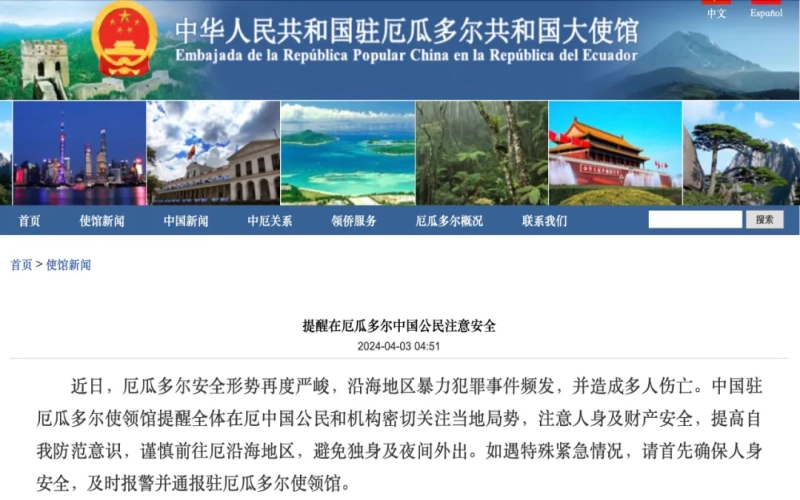
Ecuador's Armed Conflict Coupled with Diplomatic Crisis: Coffee and Tourism Industries Face Chain Reactions
Recently, the Chinese Embassy in Ecuador issued a security alert, noting the frequent violent crimes in the country's coastal areas and advising Chinese citizens and institutions to heighten their vigilance. Behind this warning lies Ecuador's ongoing internal armed conflict and an embassy arrest incident that has sent shockwaves through Latin American diplomacy. As a country dependent on exports of oil, bananas, cocoa, and coffee as well as tourism, Ecuador is facing dual pressures from a deteriorating trade environment and declining willingness among tourists to visit. Although its coffee has gradually risen to prominence in international competitions, attracting many bean hunters to visit, the current situation is undoubtedly casting a shadow over the local coffee industry and tourism economy. [more…]
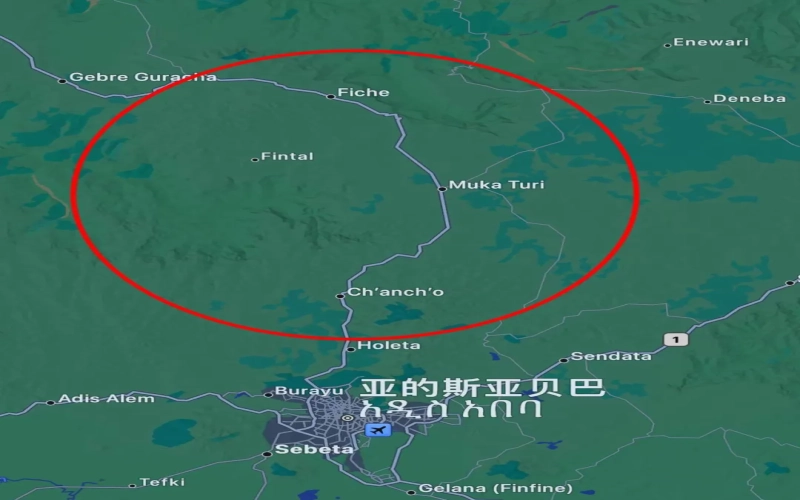
Ethiopia Kidnapping Wave Hits Coffee Industry, Chinese Consulate Safety Warning Remains in Place
Recently, the security situation in Ethiopia has deteriorated sharply, with a series of kidnappings targeting public buses and students in Oromia State, where the abductors demand huge ransoms, drawing widespread international concern. The U.S. Embassy in Ethiopia has issued a condemnation, and the high-risk area security advisory previously issued by the Chinese consulate has still not been lifted. At the same time, Ethiopia is hosting the COE Cup of Excellence coffee competition, attracting judges and coffee professionals from many countries. The kidnappings not only threaten personal safety but may also cause coffee traders to turn to neighboring countries, further dragging down Ethiopia's coffee exports and industry development, with a worrying outlook. [more…]
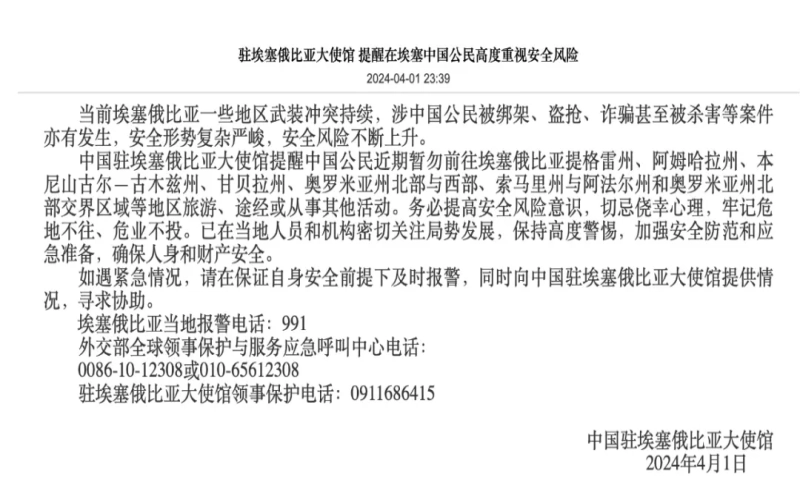
The Chinese Embassy in Ethiopia has issued a safety reminder: temporarily avoid travel to high-risk areas such as Tigray, affecting the coffee trade and tourism.
Recently, the Chinese Embassy in Ethiopia issued a notice advising Chinese citizens to temporarily avoid traveling to several high-risk areas, including Tigray and Amhara regions. The country's protracted civil war and local armed conflicts continue to spread, not only creating security risks but also severely impacting an economy and tourism industry that rely on coffee and agriculture and animal husbandry as pillars. As the recognized birthplace of coffee, Ethiopia's turbulent situation also affects the travel plans of coffee traders and bean hunters. This article outlines the background of the conflict, its impact on the economy and the coffee industry, and reiterates the embassy's safety recommendations, reminding those planning to travel to the country to remain highly vigilant and ensure their personal and property safety. [more…]
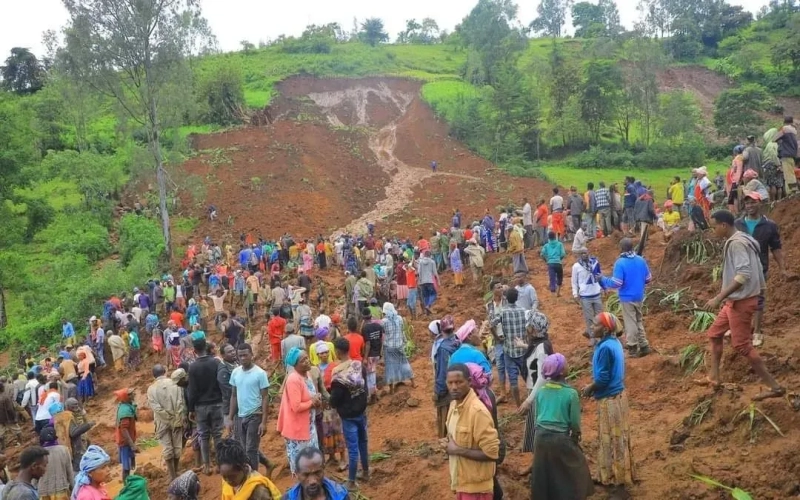
Landslide in Ethiopia's Gofa Zone Kills 229, Coffee-Growing Region Faces Risk of Reduced Output
A severe landslide occurred in the Gofa Zone of southern Ethiopia on the evening of July 21 local time. As of now, 229 deaths have been confirmed, and the casualty toll is feared to rise further. The disaster was triggered by persistent heavy rainfall, and a secondary landslide buried rescue workers. Of particular concern to coffee lovers is that the affected area covers important coffee-producing regions such as Kaffa, Jimma, and Yirgacheffe, where torrential rain and geological disasters are directly threatening the coffee-growing environment and infrastructure. At the same time, the conflict in the north and the impact of the Red Sea crisis on the port of Djibouti have plunged Ethiopia's coffee industry into multiple difficulties. Front Street Coffee will continue to follow the developments and their potential impact on the coffee supply chain. [more…]

U.S. Intervention in Tigray: Peace Deal Implementation Faces Internal and External Challenges, Ethiopia's Coffee Industry Under Pressure
The chairman of Ethiopia's Tigray interim government met with the US special envoy for the Horn of Africa on September 12, and the two sides discussed the difficulties and ways forward in implementing the Pretoria Peace Agreement. The US side expressed support for the Tigray interim government in accelerating the completion of its tasks, while the Tigray side called on the international community to jointly exert pressure to ensure the return of displaced people and ease the humanitarian crisis. However, after the agreement was signed, local violent conflict has still not subsided, divisions within the TPLF have intensified, and the risk of civil war has resurfaced. At the same time, the depreciation of Ethiopia's currency and soaring prices are putting pressure on people's livelihoods, and instability in the northern agricultural areas is gradually spilling over into the southern coffee-producing regions, with exchange rate volatility and rising costs becoming severe challenges facing the country's coffee industry. [more…]
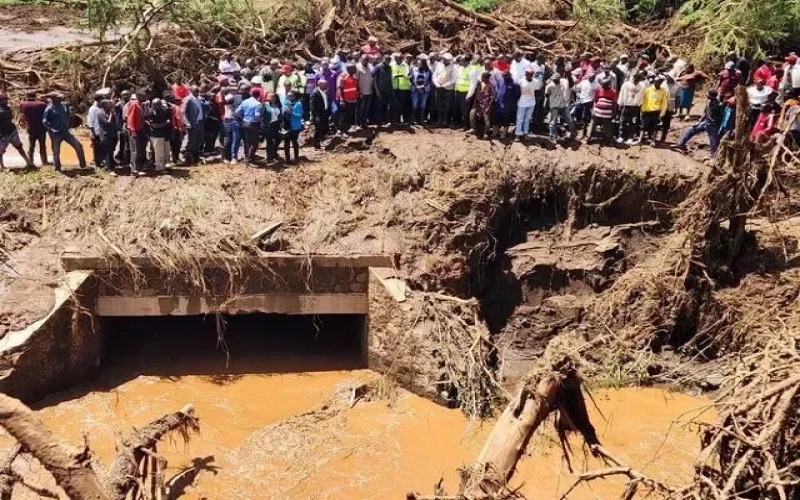
Central Kenya coffee-growing regions hit by persistent heavy rain, with Nyeri, Kiambu and other production areas suffering severe losses, casting a shadow over the next harvest season
Recently, multiple East African countries have been hit by sustained heavy rainfall, with major coffee-producing areas in central Kenya such as Nyeri, Nakuru, and Kiambu suffering severe damage. Floods, mudslides, and other disasters have caused significant casualties and property losses, and as coffee is currently in its flowering and fruiting stage, the next harvest season is expected to be severely affected. Meanwhile, Kenyan coffee auction prices have already hit record highs, and prices may climb further in the future. The Kenyan government has allocated 4 billion shillings for disaster relief. The Chinese Embassy in Kenya has also issued a reminder, calling for attention to weather changes and flood prevention and disease control. Stay tuned to the disaster situation in coffee-producing areas; Front Street Coffee will continue to follow up with reports. [more…]
A Discussion on Brewing Equipment Selection for Front Street Blue Mountain Coffee and Its Suitability for Moka Pots and Espresso Machines
Front Street Blue Mountain Coffee is a high-quality Arabica bean with a medium-light roast, so what brewing methods suit it? Starting from the quality of the green beans, this article shares personal views on equipment for making Blue Mountain Coffee. Drawing on the experience of roasting National Day gifts for the Jamaican Embassy, the author mentions that Mr. Patrick, an official from the Jamaica Industrial Commission, recommended the French press, and discusses the applicability of various methods such as manual brewing, siphon, and electric drip. At the same time, regarding whether a moka pot or an espresso machine can make Front Street Blue Mountain Coffee, the author also gives practical advice: adapt to pressure extraction by coarsening the grind. The full text emphasizes that there is no need to obsess over how professional or high-end the equipment is, and that one should instead focus on the unique flavor brought by the coffee beans themselves. [more…]
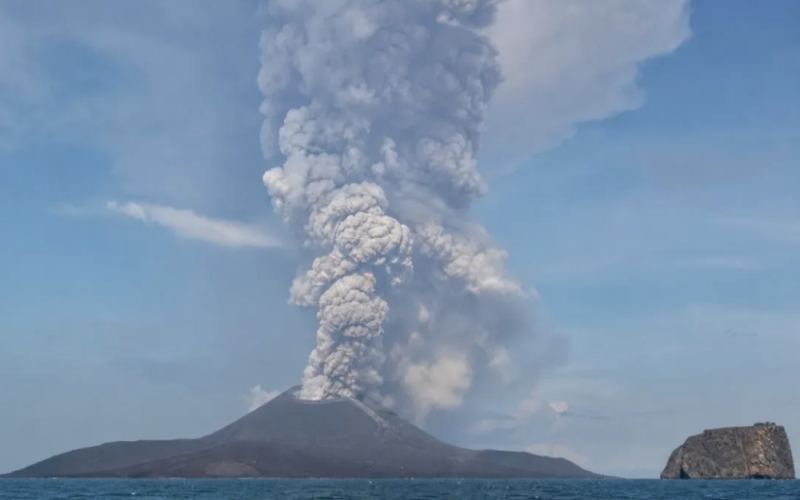
Indonesia's Anak Krakatoa Volcano Erupts Massively, Multiple Airports Forced to Shut Down
Around September 7 local time, the Anak Krakatau volcano in Indonesia (commonly known as the "Child of Krakatau") remained highly active, with ash plumes surging as high as about 50,000 feet (roughly 15,000 meters), reaching the cruising altitude of commercial airliners. [more…]

Manner frequently issues warning notices, sparking employee dissatisfaction; a decline in fan group numbers surprisingly becomes a reason for punishment
Just after Christmas, Manner Coffee drew attention for frequently issuing warning notices to its employees. Multiple employees reported that the reasons for being penalized were all over the place—a drop in the number of followers in a fan group, hair on the floor, looking at a phone for too long, and other such details could all become grounds for a warning. It is understood that Manner's headquarters monitors and audits store operations around the clock, and warning notices not only affect promotions but, once three have accumulated, may also lead to being pressured to resign. Under such high pressure, many frontline baristas are physically and mentally exhausted and choose to leave. Front Street Coffee follows industry trends and walks you through the ins and outs of the incident. [more…]
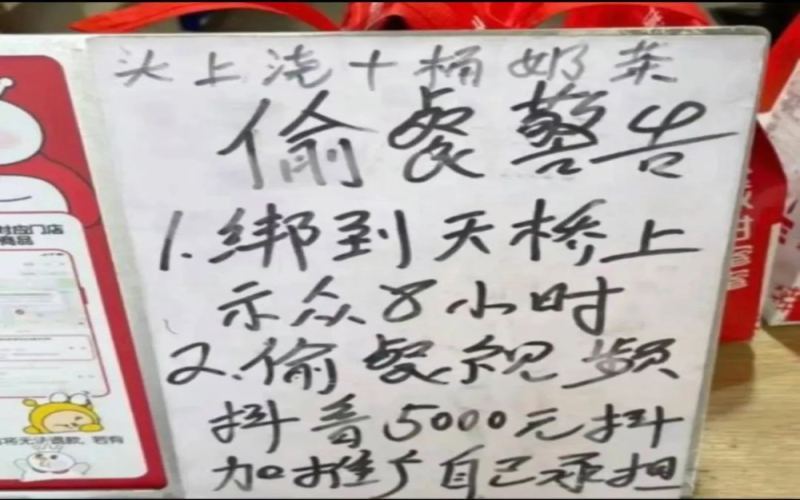
Handwritten warning against meal theft at a Mixue Bingcheng store sparks debate: threat to tie offenders to a pedestrian bridge for public shaming; lawyer says vigilante punishment is illegal
Recently, a Mixue Bingcheng store in Guangzhou made trending searches after posting a handwritten warning about meal theft, stating that thieves would be tied to an overpass for eight hours, have ten buckets of milk tea poured on their heads, and have their videos exposed. The store responded that it was just a scare tactic and had never actually been carried out. The incident sparked heated discussions among netizens, with some sympathizing with the merchant's helplessness, while others pointed out that taking the law into one's own hands is suspected of being illegal. Suzhou police then spoke out, emphasizing that illegal detention is unacceptable and that one should call the police immediately. This controversy reflects the real dilemma of frequent meal theft in the milk tea industry and high loss prevention costs, and also prompts people to think about the balance between merchants defending their rights and the boundaries of the law. [more…]
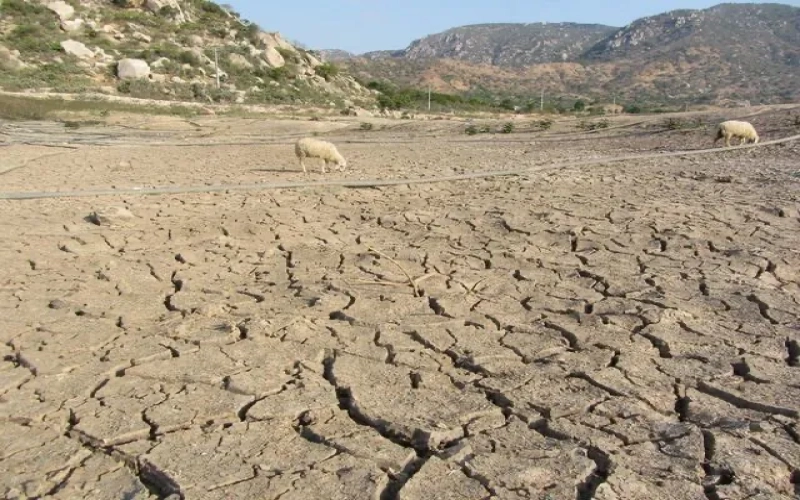
Vietnam's coffee-growing regions hit with level-2 drought warning, robusta output drop may continue to push up international coffee prices
Recently, prices for both Arabica and Robusta coffee in the international market have been on the rise. The main driver behind this is that Vietnam, the world's second-largest coffee producer, is experiencing a severe drought, causing Robusta coffee output to decline and global inventories to tighten accordingly. Vietnam's National Center for Hydro-Meteorological Forecasting has issued a level-2 drought warning for five provinces—Quang Tri, Quang Ngai, Binh Thuan, Phu Yen, and Gia Lai—and warned of possible natural disasters. Rainfall in the central and Central Highlands regions has been significantly lower than in previous years during the same period, with water levels in many rivers dropping to historic lows. The Mekong River's water level has even broken its lowest record since 1926. The combination of drought and salinization has caused coffee trees in the flowering stage to wither and develop yellow leaves, and output in some producing areas may drop by as much as 30% to 50%. Local coffee purchase prices have soared to 120 million Vietnamese dong per ton, an annual increase of 250%, putting pressure on traders' cash flows. This article will review the development of the drought, production forecasts, and price trends, and also examine how brands such as Front Street Coffee are responding amid raw material fluctuations. [more…]
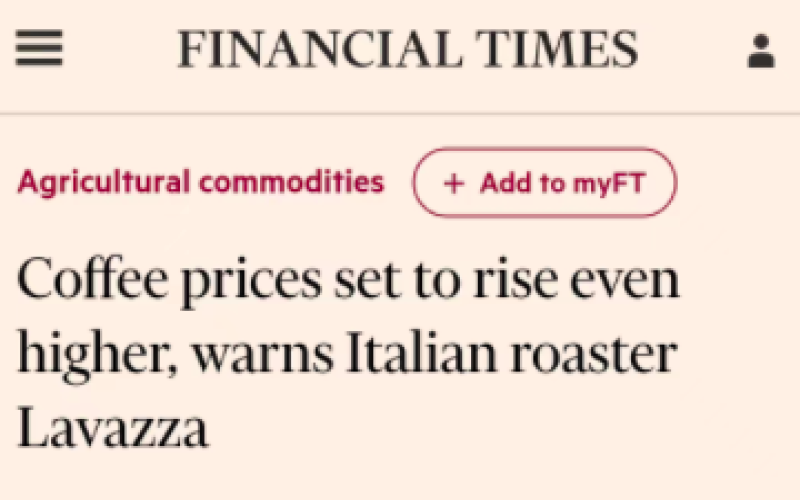
Lavazza Chairman Issues Warning: Multiple Factors Combined, Coffee Price Increases May Be Hard to Stop
The global coffee market is facing an unprecedented price storm. Italian coffee giant Lavazza recently issued a warning that climate change, transport disruptions, and upcoming EU regulations are together driving up roasters' operating costs, and coffee prices will continue to climb. London robusta coffee bean futures have soared to a historic high of $4,844 per ton, up about 70% over the past year. Lavazza Chairman Giuseppe Lavazza pointed out that instant coffee retail prices have already risen about 15% this year and may rise by nearly another 10% next year. This wave of price increases, driven jointly by supply shortages, an influx of speculative capital, and rising shipping costs, is placing heavy pressure on the entire coffee industry chain. [more…]

20-Year-Old Man's Blood Turns Milky White: Long-Term Replacement of Water with Milk Tea Drinks Triggers Health Warning
Recently, a 20-year-old man in Shandong who had long used drinks such as milk tea and cola instead of plain water to quench his thirst had a blood sample that unexpectedly showed a milky white, separated state, and he was diagnosed with lipemic blood. Doctors pointed out that milk tea is a high-calorie drink, and long-term excessive intake can lead to elevated blood lipids, increased blood viscosity, and even trigger blood vessel blockage and cardiovascular disease. What is worrying is that similar cases are not isolated among young people, and reports keep appearing on social platforms of young people facing health crises because of their addiction to milk tea. This sounds a warning bell for all milk tea lovers: it is urgent to reasonably control the intake of high-sugar, high-fat drinks and cultivate healthy eating and exercise habits. [more…]
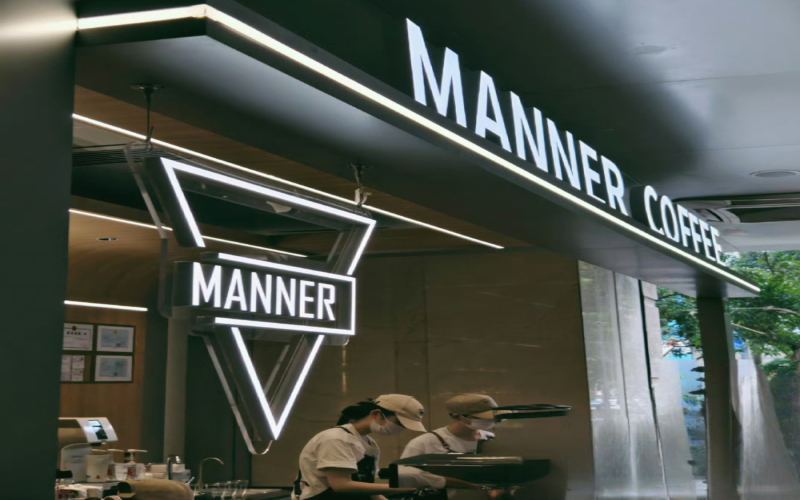
Manner Year-End Bonus Payout Sparks Controversy: New Employees Get Paid While Veterans Miss Out, Criteria Remain a Mystery
The 10th of each month is payday at Manner Coffee, and this year that day happened to coincide with the payout date for the 2024 year-end bonus. What should have been a day of double celebration instead turned into an anxious wait that kept many baristas awake all night. Some had their bank accounts credited on time, while others received only their January salary, with no sign of the year-end bonus. Even more puzzling was that some newcomers who had just joined two days earlier received bonuses, while store manager-level veteran employees who had worked diligently for years came away empty-handed. Within the company, accounts differed: HR explained it away as warning notices or policy adjustments, but employees pushed back. What exactly triggered this year-end bonus payout controversy? And why are the standards so unclear? [more…]

Severe rain warnings in seven Brazilian states spark concerns over new coffee crop yields, coffee futures prices climb again
Brazil's National Institute of Meteorology recently issued storm and heavy rain danger warnings for seven states, including Minas Gerais, São Paulo, and Paraná, with expected rainfall of 50 to 100 millimeters per day and accompanied by strong winds of 60 to 100 kilometers per hour. Rainfall in northern São Paulo state has already accumulated to 90 millimeters, with local areas reaching up to 100 millimeters, and the risk of landslides and flooding has prompted the warning center to issue a yellow alert. Although no serious economic losses have been reported so far, the market is widely concerned that this round of severe weather will once again impact Brazil's new coffee crop production. The severe drought and forest fires from April to September had already damaged coffee trees during the flowering stage, leading many institutions to lower production forecasts and drive up coffee prices. This article will review key information such as Brazil's recent weather conditions, coffee futures trends, exchange rate impacts, and traders' credit risks. [more…]

Manner removes freshly made bread from multiple stores without warning, catching consumers off guard
Recently, many consumers have noticed that shelves at some Manner stores with in-house bakery sections were suddenly cleared, and staff gave inconsistent explanations for why the bread was pulled—some cited equipment upgrades, while others bluntly said the products were not profitable. Manner's official customer service responded that it was a temporary adjustment, but stores in multiple locations have already shown sold-out status. This change has left fans of its affordable freshly made bread deeply worried, and whether Manner will completely discontinue its bakery products remains uncertain. [more…]
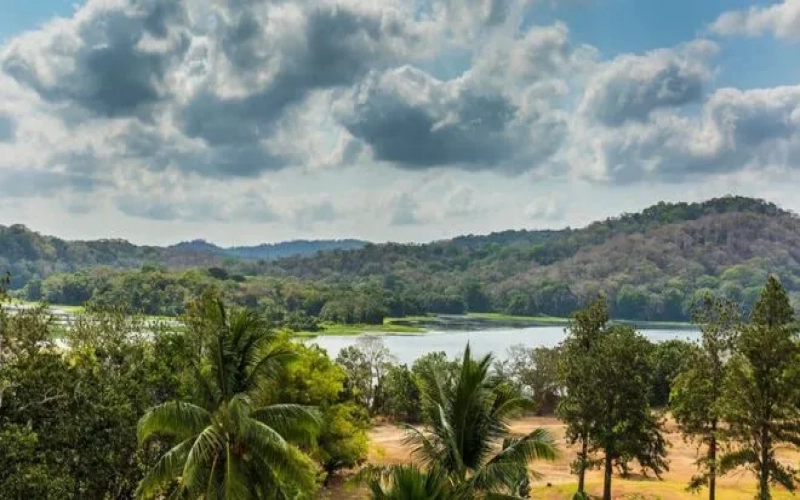
Panama Climate Change Warning: Rainfall to Decrease and Temperatures to Rise by 2050, Coffee and Other Agricultural Exports Face Challenges
Panama's National Adaptation Plan (NAP) project recently released a report that, using global models and nearly 30 years of meteorological data, simulated the country's climate trajectory for 2050 to 2070. The results show that reduced rainfall and rising temperatures will directly impact Panama's agricultural production, especially the cultivation and trade of export crops such as coffee and bananas. At the same time, shipping through the Panama Canal and hydroelectric power generation will also face greater pressure due to drought. This article will walk you through the report's core findings and their potential impact on the coffee industry. [more…]

Luckin Coffee outlet at Tsinghua's Qingfen Garden suddenly withdrawn—why does campus coffee business leave without warning?
University campuses have always been a potential market coveted by coffee brands, where steady foot traffic and relatively low rents tempt many chains to try their luck. Yet even a brand with as broad a customer base as Luckin, after opening in Tsinghua University's Qingfen Garden, once saw queues so long it was hard to get a seat—only to suddenly find the place emptied out. From posting a notice of temporary closure to hauling away all the equipment, what exactly happened to this store that students had held such high hopes for? Behind the operation of campus coffee shops, what little-known risks and challenges lurk? This article will take you through the sequence of events and explore the practical difficulties coffee brands must face when entering universities. [more…]

Warning from a 13-Year-Old Girl with 12 Cavities: One Milk Tea a Day Acid-Eroded Her Teeth into Plaster
The first cup of milk tea in autumn, the first cup of the school year—milk tea is seen by many young people as a source of happiness, but overindulging can bring serious health risks. Xiaoliu, a 13-year-old eighth-grade girl in Hangzhou, drank a cup of milk tea almost every night to stay alert due to study pressure, which ultimately led to severe cavities in all 12 of her teeth and a diagnosis of "dental erosion." Doctors point out that milk tea not only contains a large amount of hidden sugar, but long-term consumption can also worsen tooth demineralization and corrosion. This article will recount the course of the incident, analyze the causes and harms of dental erosion, and offer practical advice for milk tea lovers on protecting their teeth. [more…]

Starbucks reviews surveillance footage to check store compliance, employees worry about being held accountable for violations
Recently, Starbucks was reported to conduct detailed audits of partners' daily operations by randomly accessing store surveillance footage, and listed as many as 8 violations in an internal email. From placing trash can lids on countertops to inadequate cleaning and sanitizing procedures for ice storage bins, these details that might previously have been overlooked have now become grounds for warning notices or even dismissal. After the news spread, many current employees felt greatly increased pressure, while consumers generally supported this strict oversight. This article sorts out the sequence of events, presents multiple perspectives, and explores the difficult balance that chain coffee brands must strike between food safety management and employee execution. [more…]